January arrives with a strange kind of noise. Reinvent yourself. Erase the old habits. Become someone better—immediately.
It sounds motivating at first. Until iIt’s not. It’s exhausting.
The idea of a total reset assumes your current self is flawed and needs replacing. It ignores the reality of busy workdays, unfinished to-do lists, and the fact that real change rarely happens in a dramatic burst. It happens in repetition. In boring consistency. In small decisions that don’t look impressive but add up.
You don’t need to start over. You need to steady your pace.
The Problem with the “Clean Slate”
A clean slate sounds empowering until you try to live inside it. It usually comes with strict rules: wake up earlier, cut sugar completely, exercise daily, no excuses. Miss one workout or grab a quick snack between meetings and suddenly the guilt kicks in. The slate isn’t clean anymore. So why bother?
This all-or-nothing mindset works against basic human psychology. When goals feel extreme, the brain reads them as threat or deprivation. That triggers stress, not discipline. And stress narrows our focus to short-term relief, which is why intense January plans often collapse by mid-month.
Your body also doesn’t respond well to shock therapy. After the holidays, your sleep may be off, your routine disrupted. Forcing a total overhaul while your system is recalibrating adds more strain. Sustainable change respects physiology. It works with your rhythms instead of punishing them.
When we demand a “new us,” we risk throwing out the good parts of the old us—resilience, experience, the small habits that already work.
Build on What’s Already Working
Before you rewrite your life, look at what quietly held you together last year.
Maybe you started taking five-minute walks between calls. Maybe you found a breakfast that kept you full longer. Maybe you drank more water simply because you kept a bottle on your desk. These aren’t dramatic wins. They’re foundations.
Behavior science shows that building on existing habits is far more effective than starting from zero. The brain likes familiarity. When you layer one small improvement onto something you already do, resistance drops. Consistency rises.
This is refinement, not reinvention.
The Small Swap That Actually Sticks
If you want one practical shift that doesn’t feel punishing, look at what you sip.
Hydration seems minor, but it shapes energy, focus, and even mood throughout the day. Even mild dehydration can increase fatigue and make concentration harder. On the other hand, sugar-heavy drinks spike blood glucose quickly, then drop it just as fast. That rollercoaster feels like energy—until it doesn’t.
Most January “cleanses” swing to the other extreme: plain water only, no flavor, no pleasure. That approach often backfires because the brain craves reward. Remove it entirely and you’ll likely compensate later.
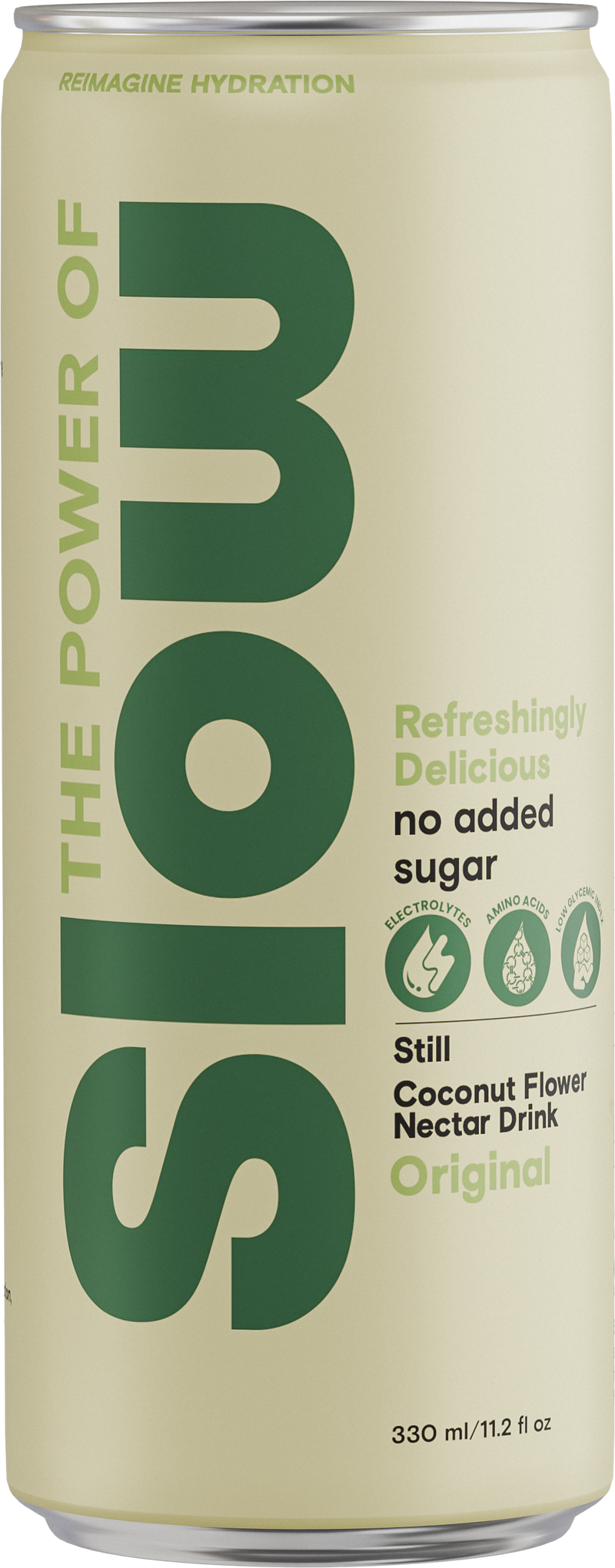
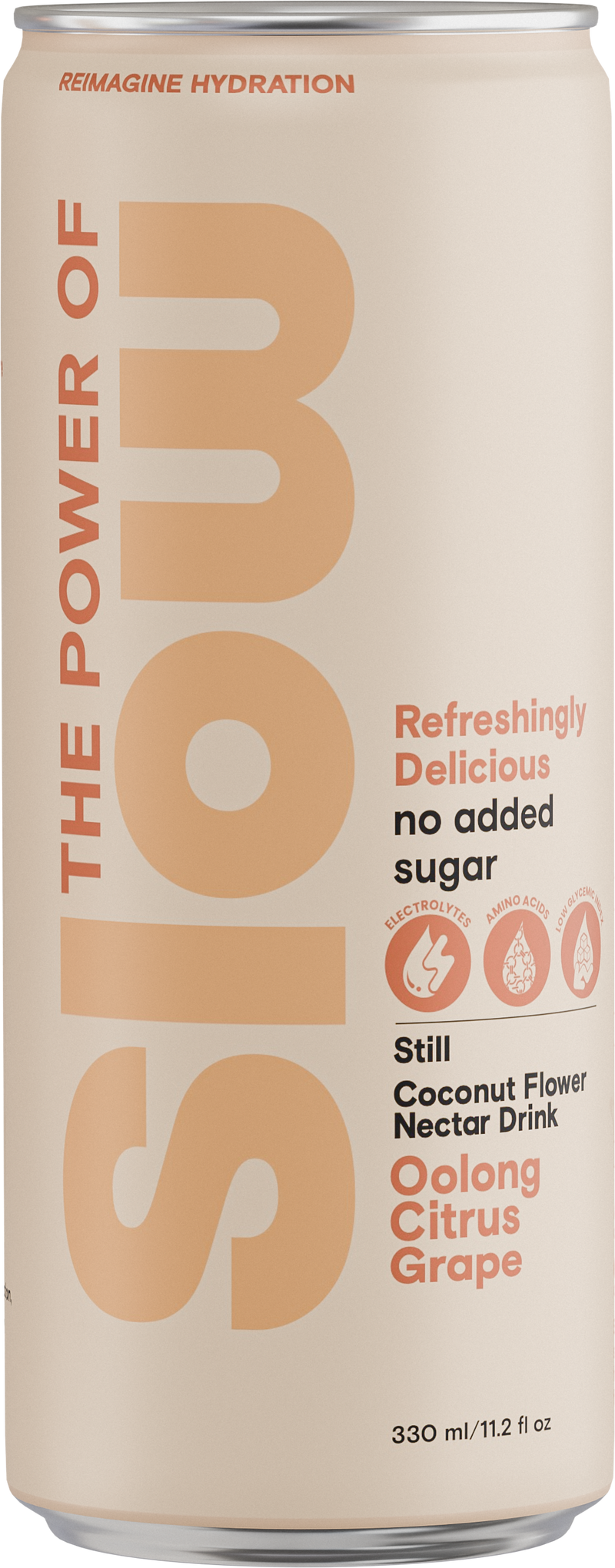
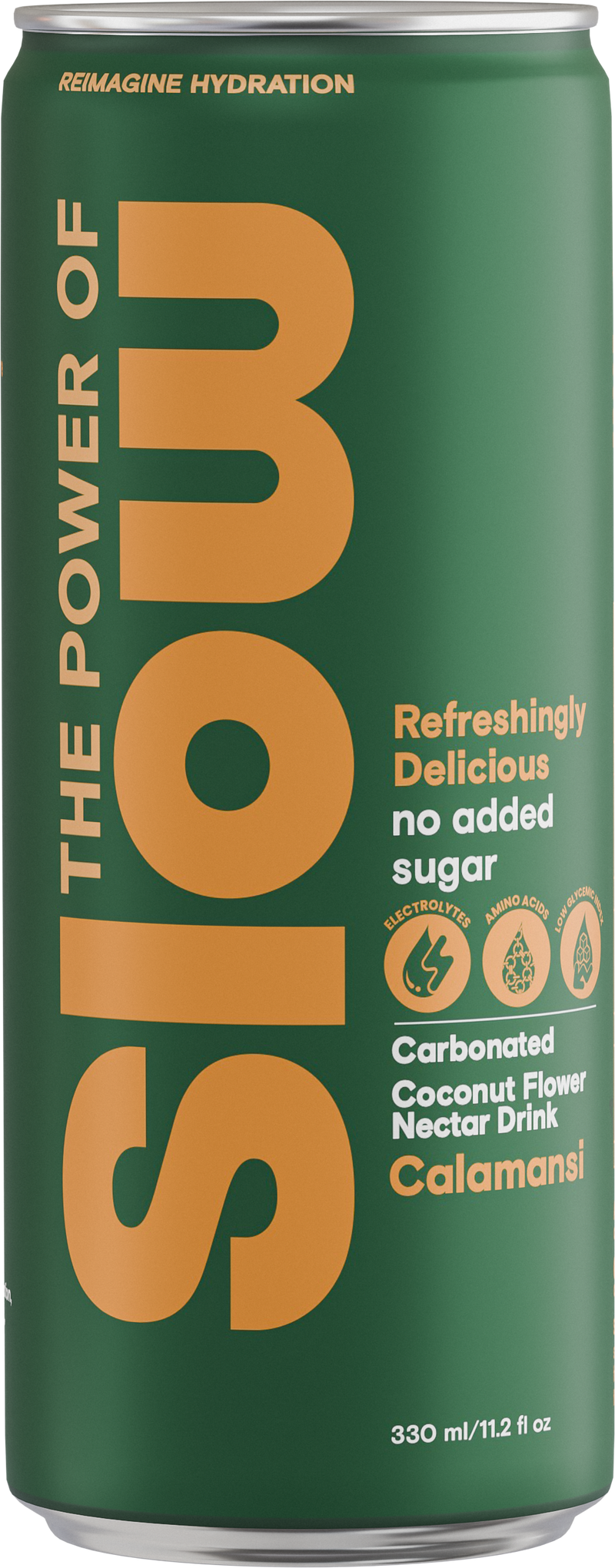
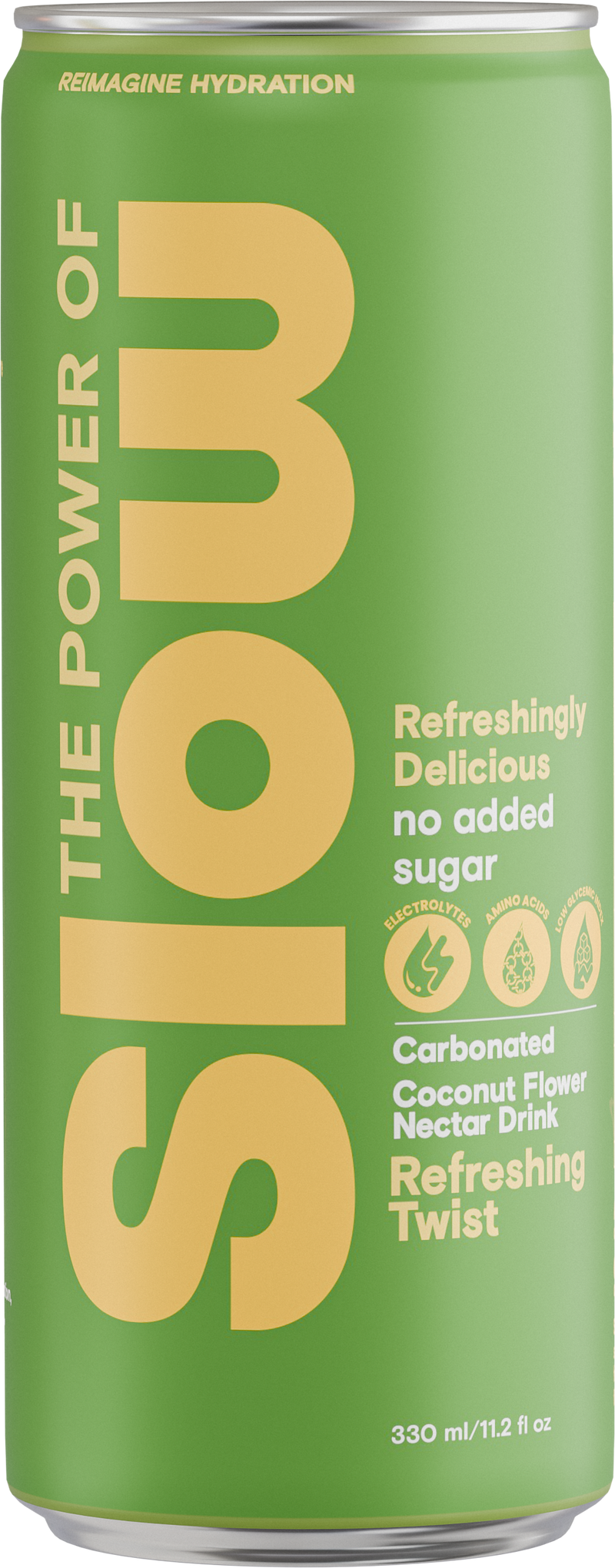
A steadier option makes more sense. Choose drinks that hydrate without sharp sugar spikes. Low glycemic sweeteners, like coconut flower nectar, release glucose more gradually. That means fewer crashes, steadier energy, and less of that restless, wired feeling.
And don’t underestimate ritual. Pouring a refreshing drink into a proper glass instead of gulping from a plastic bottle sounds small, but it slows you down. That pause matters. It shifts hydration from mindless to intentional.
Intentions Over Identity Shifts
Instead of declaring a new personality for the year, choose a feeling you want more of this month.
Calm.
Focus.
Steadiness.
Then attach one small action to it.
If you want calm, take a slow sip before opening your inbox. Let your nervous system settle before the noise begins.
If you want focus, swap your third coffee for something that hydrates and supports steady energy instead of more stimulation.
If you want steadiness, choose ingredients that feel clean and uncomplicated. Fewer spikes. Fewer extremes.
These aren’t rules. They’re adjustments. They make your day feel lighter without demanding perfection.
A Better Way Forward
Progress isn’t linear. Some days you’ll feel clear and disciplined. Others you’ll feel slow and distracted. That fluctuation isn’t failure—it’s biology.
January doesn’t require a reset. It offers a moment to notice what’s working, steady what isn’t, and move forward without drama. Carry your wins with you. Add one small refinement. Repeat it tomorrow.
No clean slate required.