Learn about slow
Regenerative coconut farming, explained
Regenerative farming is about growing food in a way that gives back to the land, not just takes from it. On our coconut farms, that means caring for soil, trees, and communities so they stay healthy for the long run. Here’s what that actually looks like.

What does “regenerative” really mean?
Regenerative farming is a way of growing food that focuses on restoring and improving the health of the soil, the ecosystem, and the people who depend on it. Instead of just trying to ‘do less harm,’ it aims to actively make things better over time.
🍃 Building up healthy, living soil.
- 🍃 Encouraging more biodiversity—more plants, insects, and animals.
- 🍃 Using fewer synthetic inputs and working more with natural processes.
- 🍃 Supporting farmer livelihoods so they can keep caring for the land.
Why coconut farms are different
🍃 Coconut trees aren’t planted and harvested every season. They stand in the same place for decades, which makes the health of the soil and the whole farm ecosystem even more important.
- 🍃 Trees can live and produce for many years—so long-term soil health really matters.
- 🍃 The space under and between the trees can be used for more plants, not left bare.
- 🍃 Coconut groves often sit in communities that depend on them for income and identity.
- 🍃 How these farms are managed affects both local nature and local livelihoods.

What regenerative coconut farming looks like on the ground
Regenerative coconut farming isn’t one single technique. It’s a set of practices that work together to keep the farm alive and resilient.
Building living soil
Using compost and organic matter to feed the soil, not just the tree. Healthier soil holds more water, stores more carbon, and grows stronger trees.
Cover crops
Planting low-growing plants between trees to protect the soil from erosion, keep moisture in, and add nutrients back into the ground.
Agroforestry
Growing other crops—like fruits, herbs, or vegetables—alongside coconuts. This creates a richer, more resilient ecosystem.
Pollinators
Making space for bees and other helpful insects that support pollination and natural pest balance.
How this helps the planet
When coconut farms shift toward regenerative practices, the benefits go beyond the farm itself.

Healthier soil

Better water cycles
More biodiversity

Fewer synthetics
- 🍃 Improved soil structure and organic matter can help store more carbon.
- 🍃 Ground that’s covered and alive absorbs rainfall more gently.
- 🍃 Diverse plants and microbes make the whole system more resilient.
How this helps farming communities
Regenerative agriculture is also about making farming more resilient and rewarding for the people who do it.
Climate resilience
Healthier soil helps farms withstand heavy rain, drought, and shifting seasons.
New income
Intercropping and added value produce can open more ways to earn from the same land.

How your can of SLOW plays a part
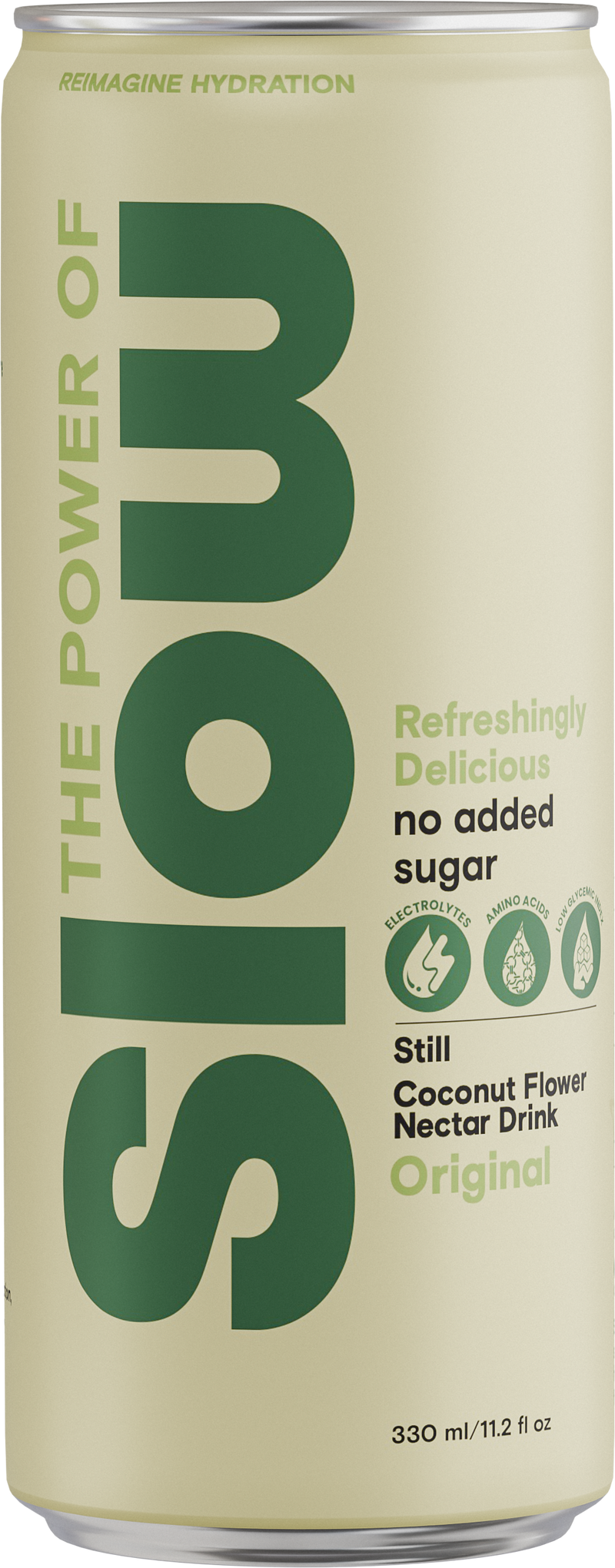
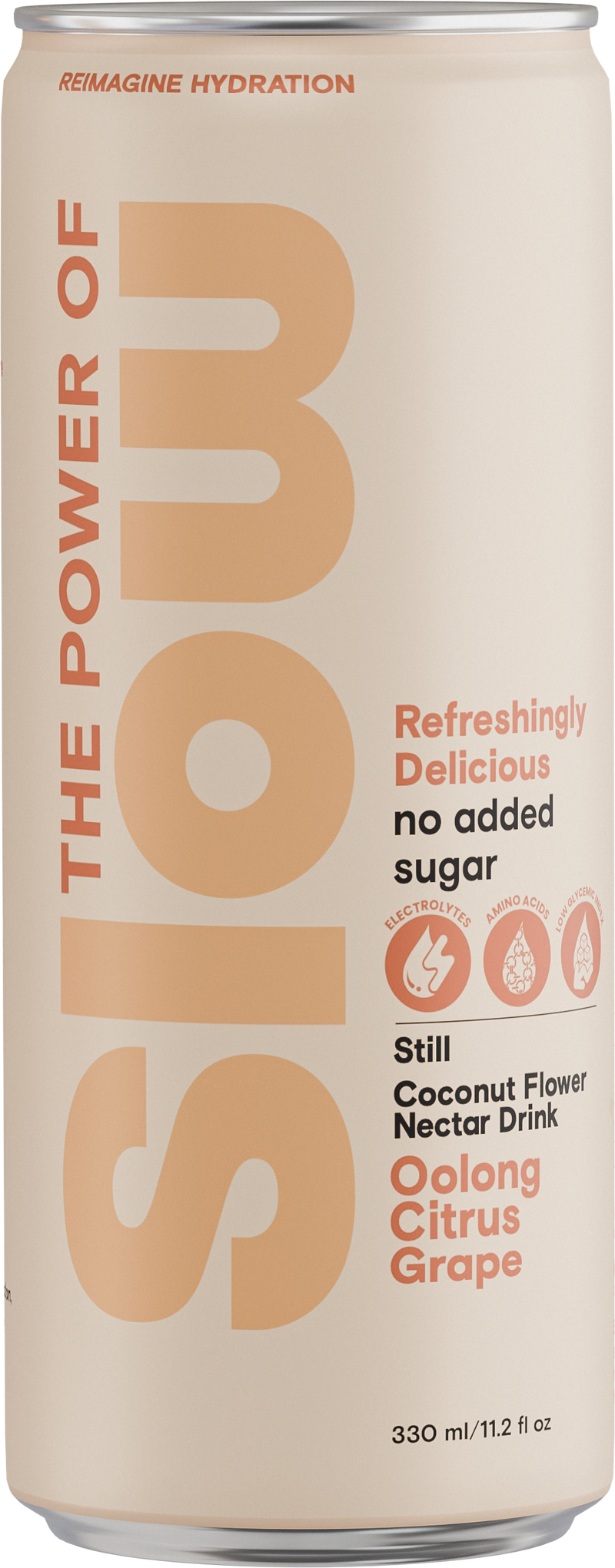
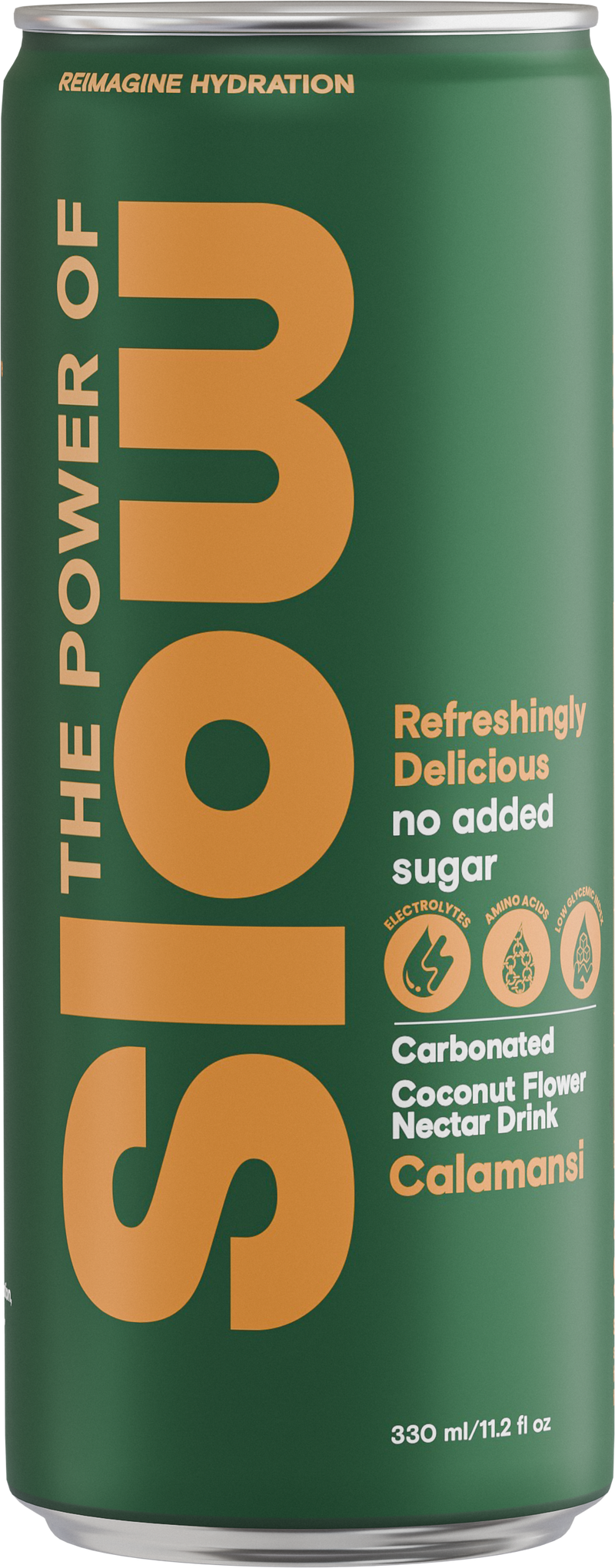
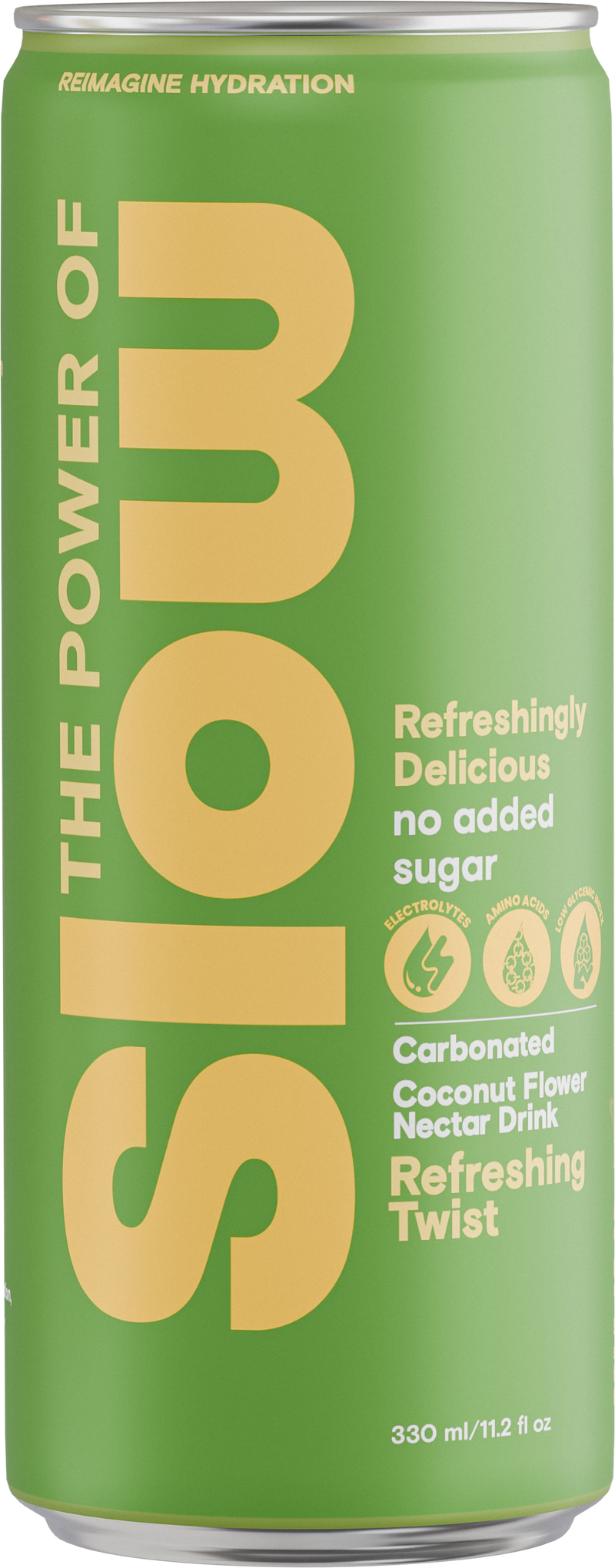
SLOW is made with organic coconut flower sap from farms that are moving toward more regenerative practices. By choosing drinks built on this ingredient, you’re helping create demand for farming that cares for soil, trees, and people.- 🍃 Working directly with farming communities instead of anonymous commodity channels.
- 🍃 Supporting the shift toward more composting, cover crops, and intercropping.
- 🍃 Sharing stories and progress openly, so you can see what your sip supports.

Quick questions about regenerative coconut farming
Is regenerative farming the same as organic?
Not exactly. Organic focuses on what you don’t use. Regenerative focuses on actively improving soil, biodiversity, and ecosystems. A farm can be both.
Does every farm you work with use regenerative practices already?
No. Regeneration is a process, not an overnight switch. Our goal is to keep moving more of our sourcing toward regenerative practices over time.
Does regenerative farming change how the sap tastes?
Healthier trees and soils can support high-quality sap. For you, the main difference is knowing your drink supports better practices in the background.
Your role in regenerative coconut farming
You don’t have to be a farmer to support better farming. Everyday choices, like the drinks you buy, send signals back through the supply chain.
- 🍃 Choose brands that are transparent about where and how they source.
- 🍃 Look for efforts to restore land and support communities.
- 🍃 Share brands and stories that align with your values.