Learn about slow
Low-GI & blood sugar, made simple
You see ‘low-GI’ and ‘blood sugar’ everywhere—but what do they actually mean in everyday life? This guide breaks it down in calm, simple language, so you can understand how sweetness affects your day and why we chose a low-GI path for SLOW.

What is the glycemic index?
The glycemic index (GI) is a way of describing how quickly a food or drink that contains carbohydrates raises your blood sugar. The higher the GI, the faster it tends to raise blood sugar; the lower the GI, the more gradually it tends to do so.

- 🌿 High-GI foods and drinks: cause blood sugar to rise more quickly.
- 🌿 Low-GI foods and drinks: are digested and absorbed more slowly, leading to a gentler rise in blood sugar.
- 🌿 GI is just one tool—it doesn’t tell you everything about how healthy something is, but it can be useful context.
How blood sugar affects your day
When you eat or drink something sweet, your blood sugar rises. That’s normal. The challenge happens when it shoots up quickly and then drops just as fast—that’s when you may feel wired, then tired.
- 🌿 Quick spikes can feel like a short burst of energy followed by a slump.
- 🌿 Gentler rises can feel more like steady energy and a calmer mood.
- 🌿 Over time, patterns of very high spikes and crashes may be tough on your body—that’s why many people look for lower-GI options.
*Everyone’s body is different, and this is general information—not medical advice.
What makes a food or drink ‘low-GI’?
Whether something is high-GI or low-GI depends on more than just ‘sugar’ vs ‘no sugar.’ It’s about how quickly your body breaks it down and absorbs it.

Carb type

Processing

Fiber/Protein

Combinations
- 🌿 The type of carbohydrate it contains.
- 🌿 How processed it is (more refined often means higher GI).
- 🌿 Whether it contains fiber, protein, or fat, which can slow digestion.
- 🌿 How it’s prepared or combined with other foods.
Low-GI choices are often those that your body breaks down more slowly, leading to a smoother blood sugar curve.
What does this look like in real life?
Think of GI less as a strict rule and more as a helpful pattern. Here’s the idea, in simple terms.
Often higher-GI patterns
- Sugary soft drinks and energy drinks.
- Large servings of sweets made with refined sugar.
- Highly processed snacks with very little fiber.
Often lower-GI patterns
- Whole foods with natural fiber.
- Meals that combine carbs with protein and fats.
- Ingredients that are digested more slowly.
*Exact GI values can vary, so this is a general guide, not a precise ranking.
Where does SLOW fit into this picture?
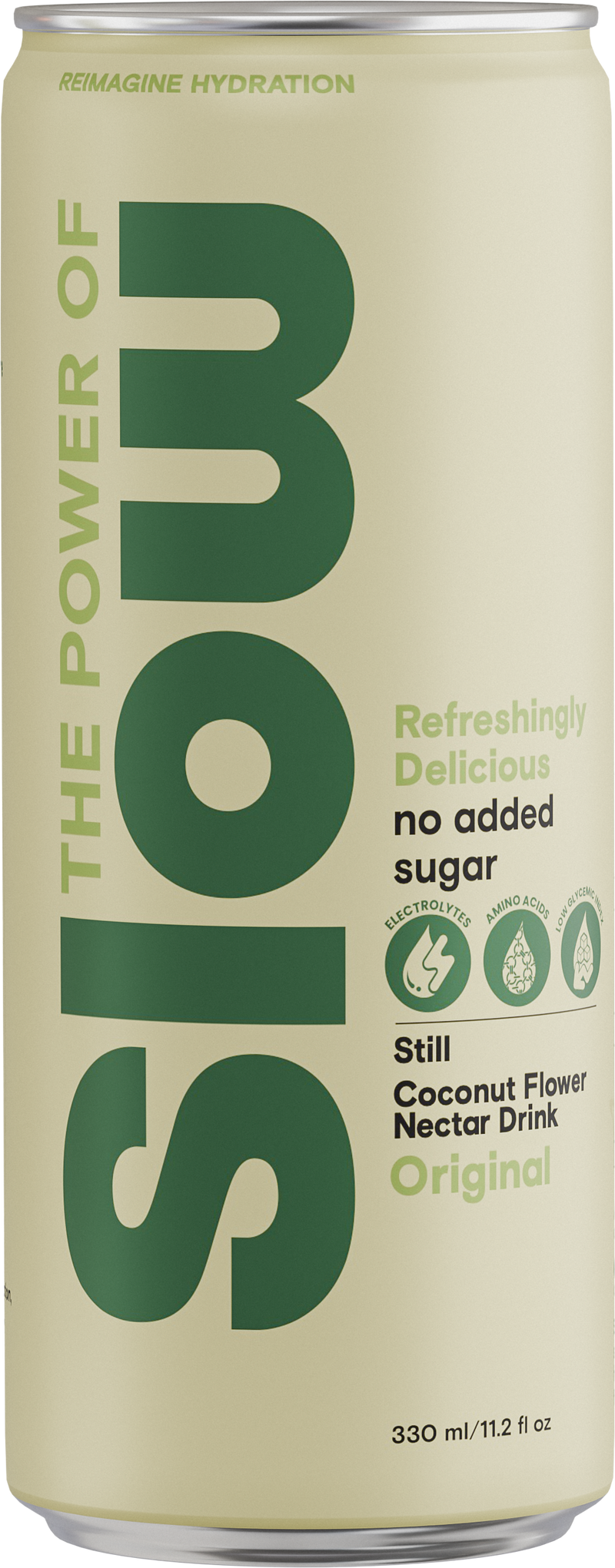
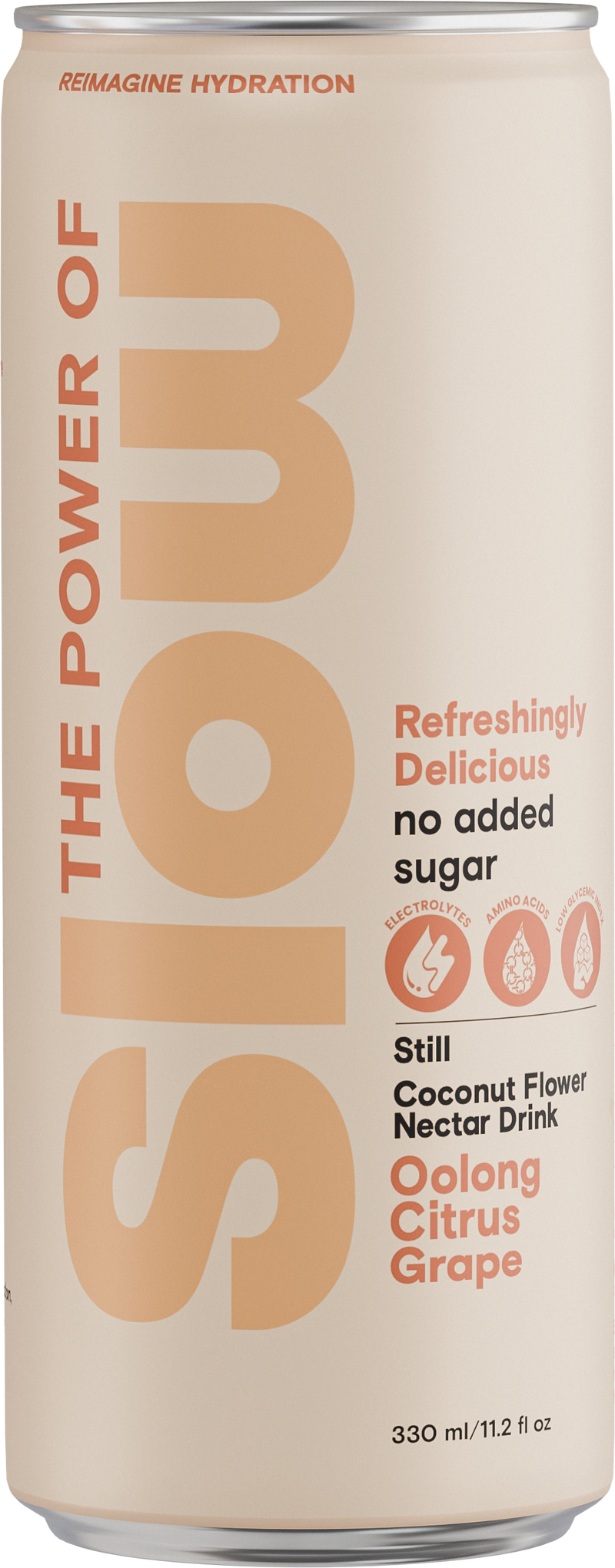
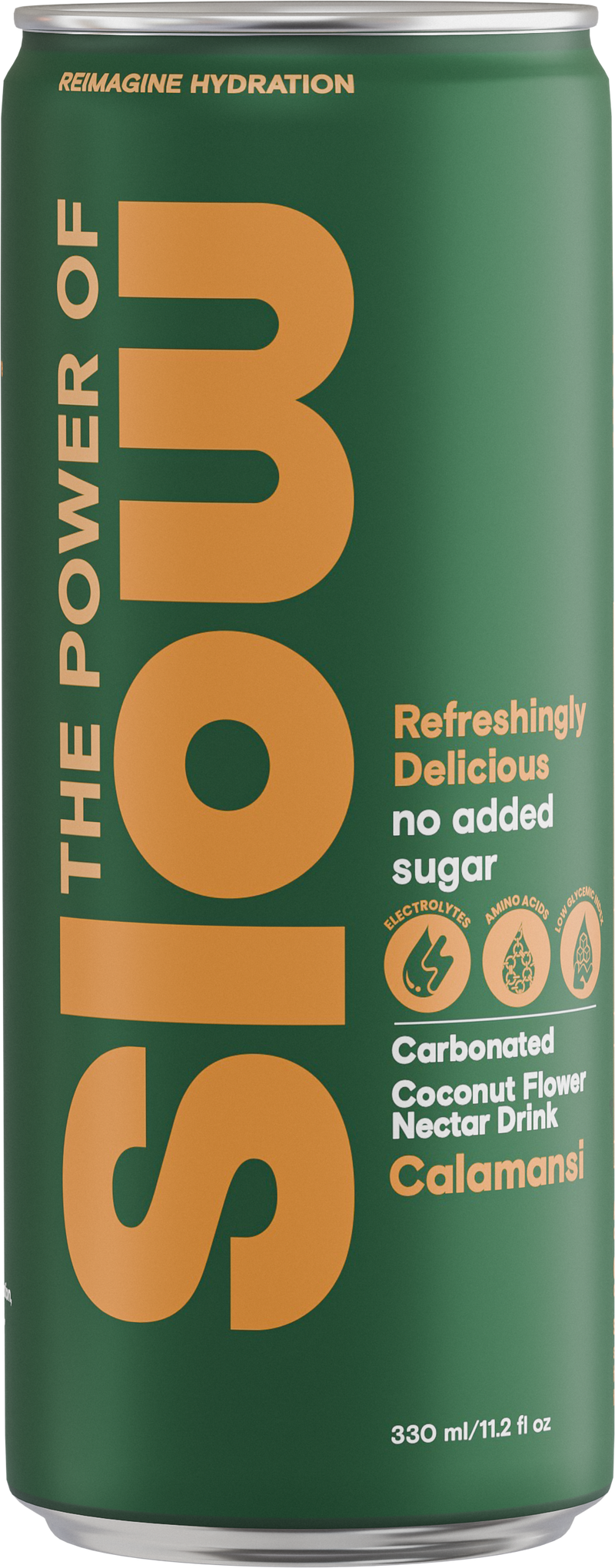
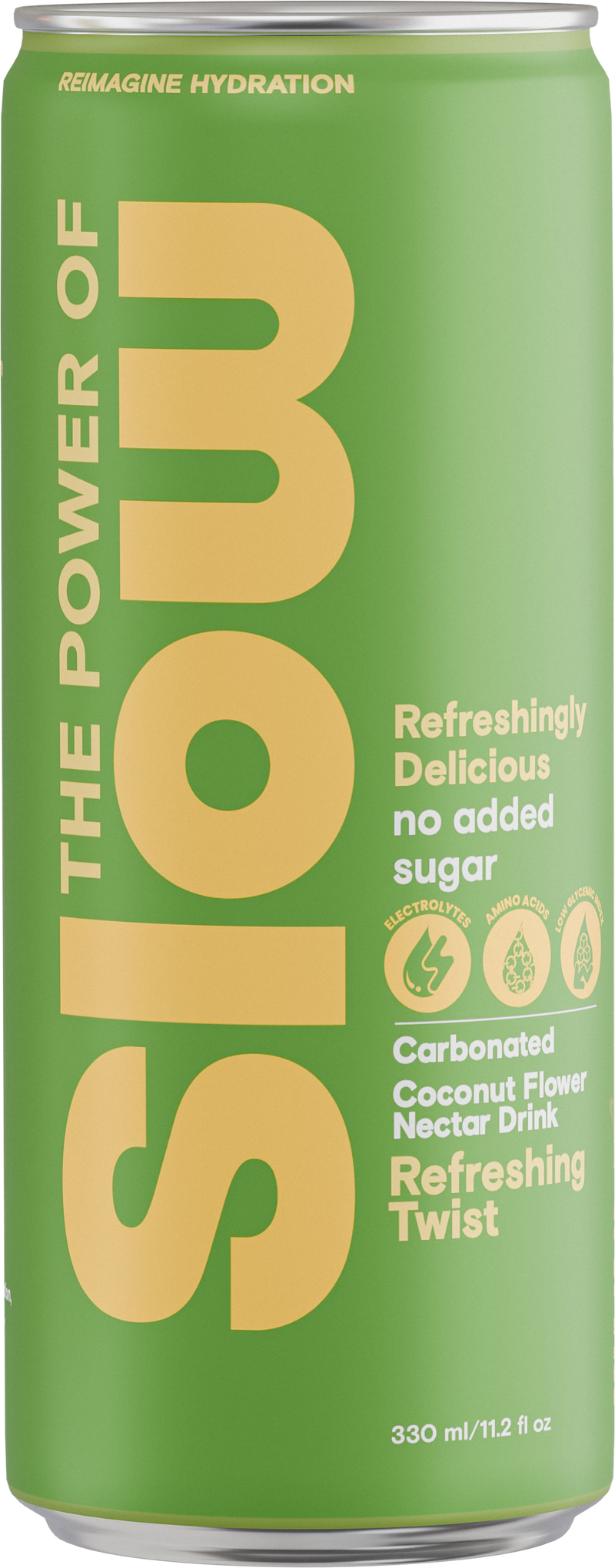
SLOW is made with organic coconut flower sap, which has a lower glycemic index than many refined sugars. That’s why we describe our drinks as crafted to be gentler on blood sugar than many high-sugar sodas and juices.

- 🌿 SLOW is still a sweetened drink—it’s just built on a lower-GI source.
- 🌿 It’s designed to be easier to enjoy regularly.
- 🌿 We don’t position SLOW as a treatment for any condition.
Small ways to be kinder to your blood sugar
You don’t have to overhaul everything overnight. Small shifts can make a difference over time.

Swap one sugary drink.

Pair with fiber/protein.

Listen to your body.

Read the labels.
Quick questions
Does low-GI mean something is ‘healthy’?
Not automatically. GI is just one piece of the puzzle. Overall nutrients and diet also matter.
Can low-GI foods still raise blood sugar?
Yes. Low-GI usually means the rise tends to be slower or smaller compared with many high-GI options.