You’ve probably heard the word electrolytes—usually in fitness conversations or on drink labels. But what are they, really? And why do they matter beyond workouts and hot days?
On a basic level, electrolytes help your body manage water. Without them, hydration doesn’t work the way it should.
What Electrolytes Do in the Body
Electrolytes are minerals that carry an electrical charge. The main ones include sodium, potassium, magnesium, and chloride. They help your body do some very practical, everyday work:
-
Move water into and out of cells
-
Support muscle movement and nerve signals
-
Keep your internal pH balanced
Think of electrolytes as the system that helps your body “turn on” properly. When they’re in balance, things feel steady. When they’re off, even simple tasks can feel harder.
The Role of Each Major Electrolyte
Each electrolyte has a specific job, and they work best as a group.
Sodium helps your cells hold onto water and supports muscle contraction. It’s essential, but too much overtime can affect blood pressure.
Potassium balances sodium, supports heart rhythm, and helps prevent muscle cramps. Low levels can lead to fatigue or irregular heartbeat.
Chloride works closely with sodium to maintain fluid balance and support digestion.
Magnesium supports muscle recovery, nerve function, and energy production. Many people don’t get enough through diet alone.
When you sweat—during exercise, heat, or stress—you lose water and electrolytes together. Replacing only water can dilute what’s left, which is why balance matters.
How to Replenish Electrolytes Naturally
Replacing electrolytes doesn’t have to be complicated. The goal is consistency, and not extremes.
Electrolyte-rich foods help rebuild balance throughout the day:
-
Bananas and root vegetables for potassium
-
Leafy greens, nuts, and seeds for magnesium
-
Dairy and fermented foods for calcium and sodium
Hydrating drinks can help when you need quicker support:
-
Coconut water offers natural electrolytes
-
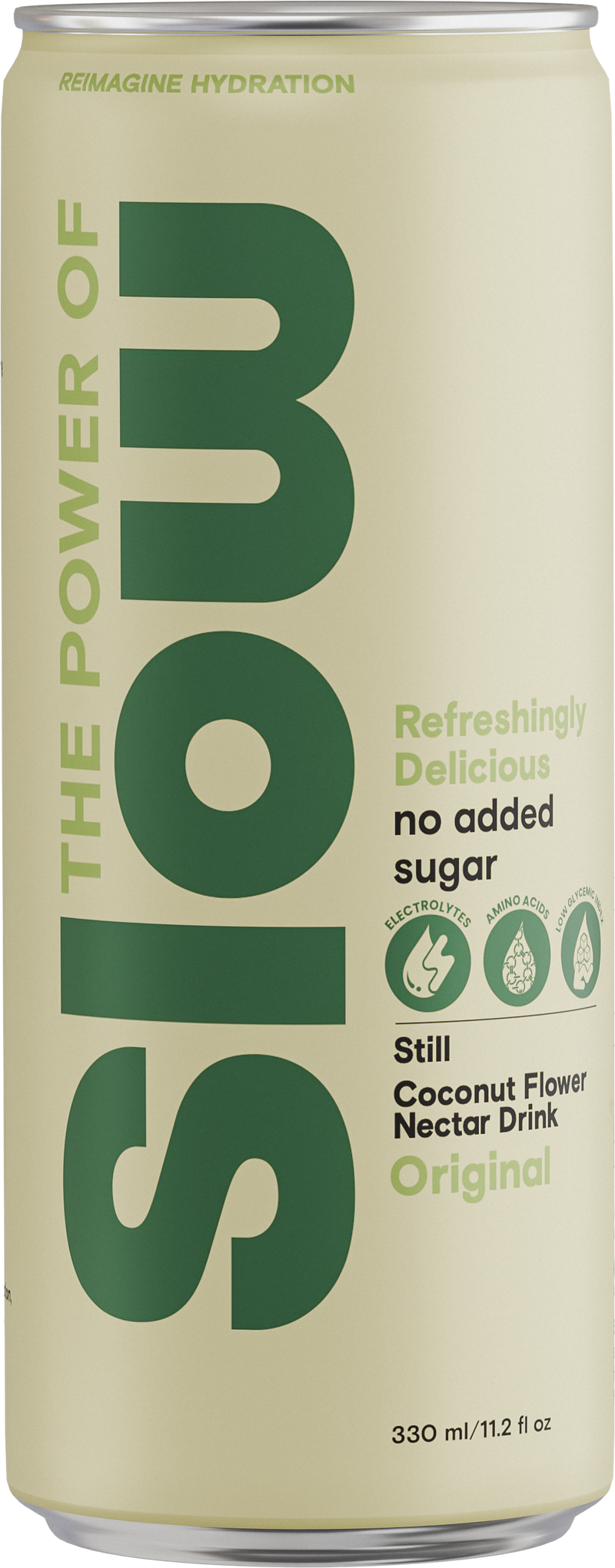
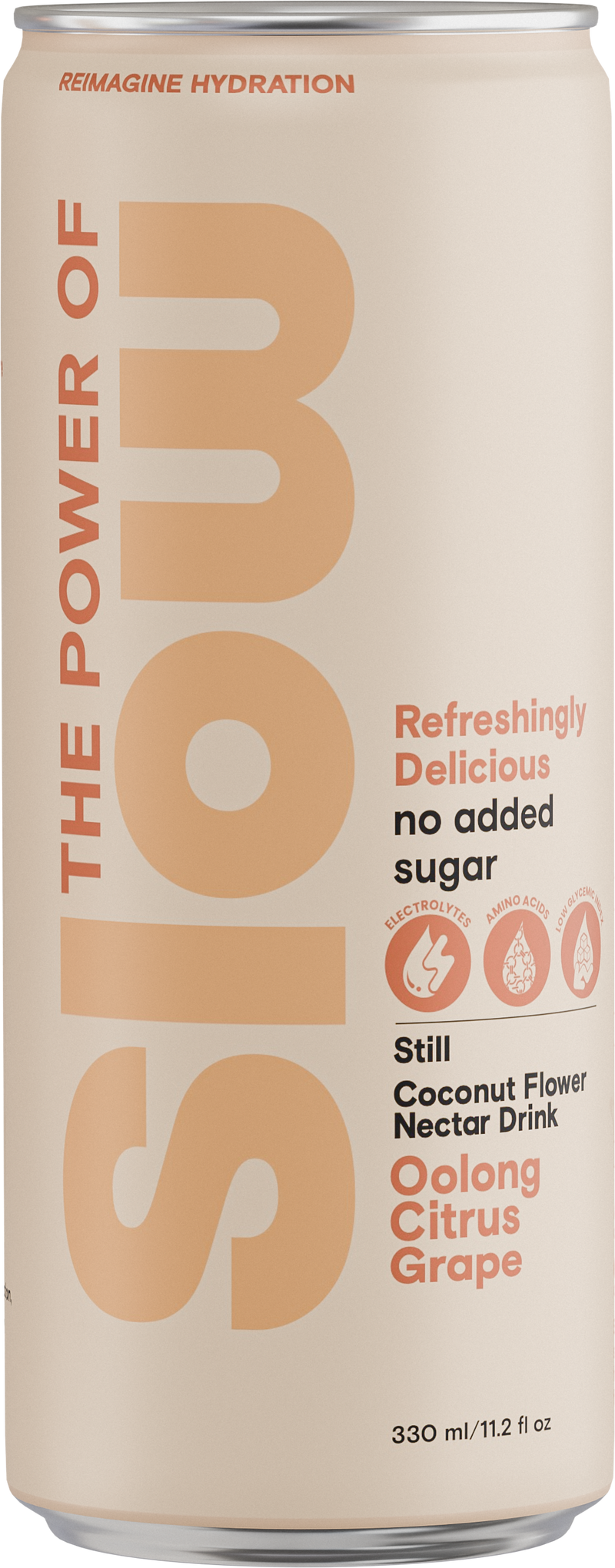
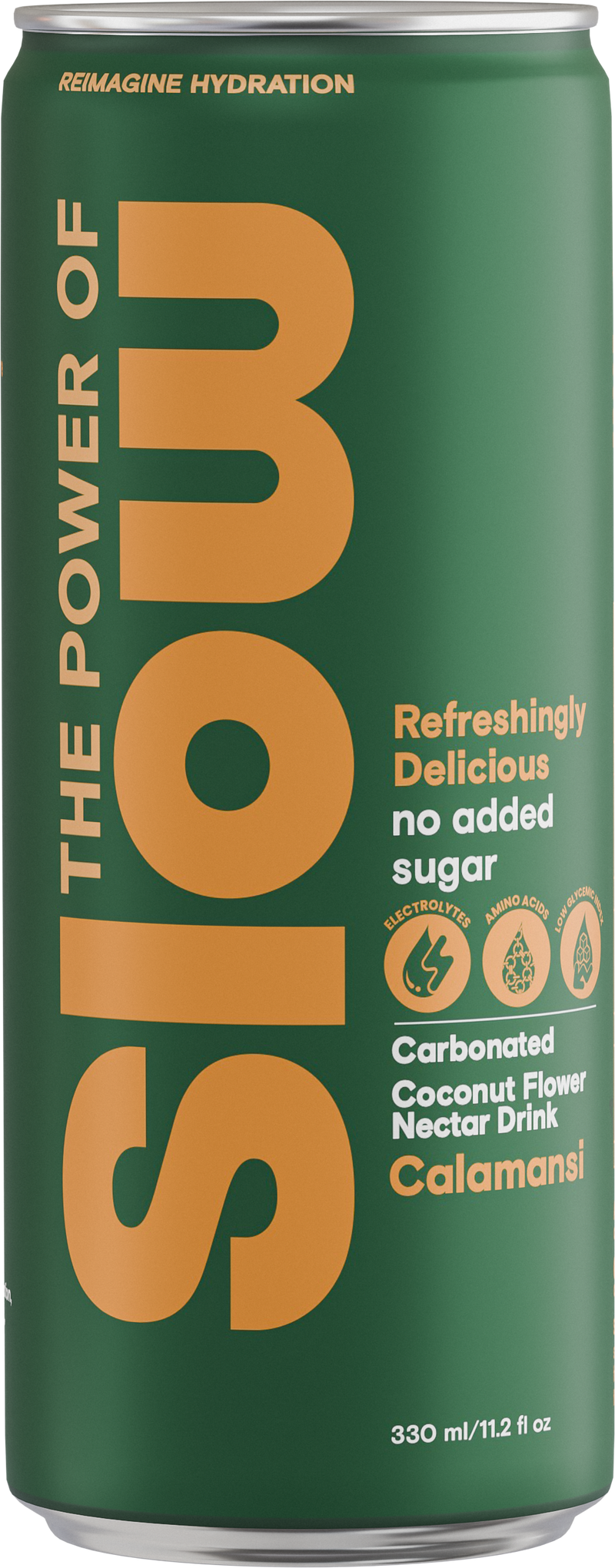
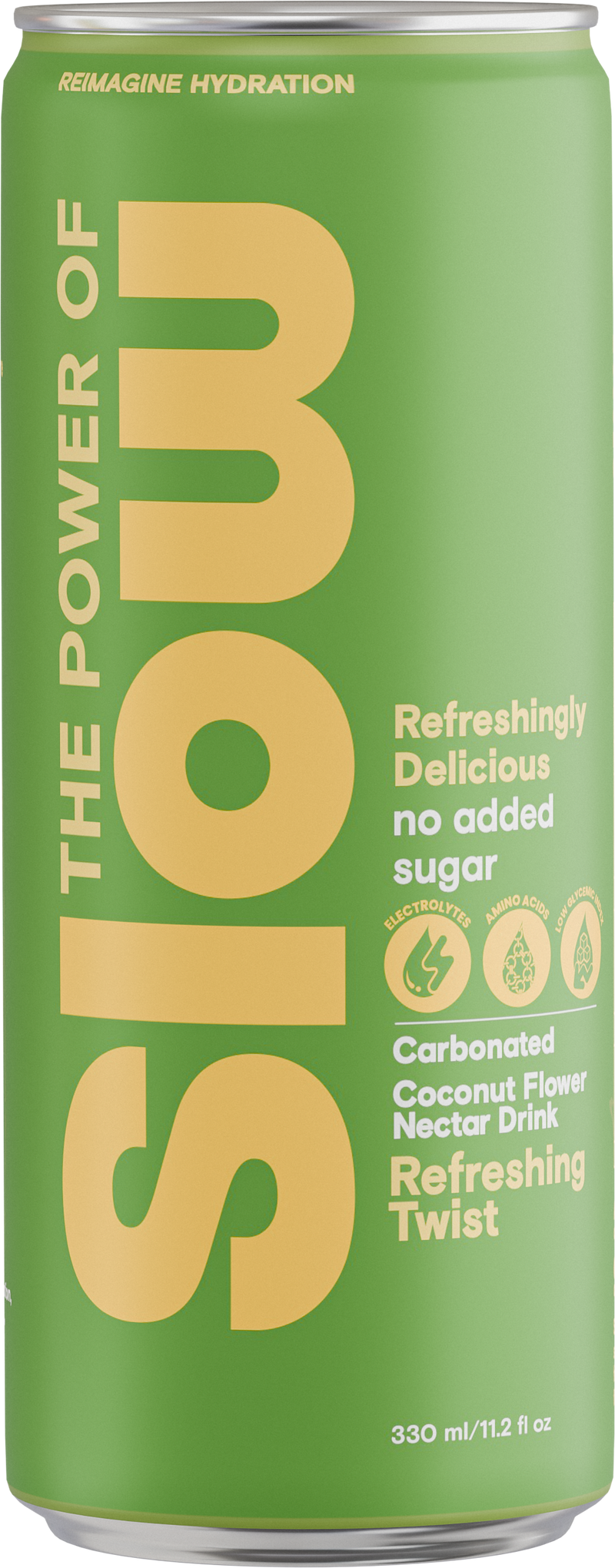
Functional hydration drinks like SLOW can support both fluid and mineral balance without relying on excess sugar
Signs You May Be Low on Electrolytes
Hydration isn’t just about how much you drink. It’s also about how your body feels.
You may need electrolytes if you notice:
-
Muscle cramps or weakness
-
Fatigue, dizziness, or headaches
-
Dry skin or dark-colored urine
For active people, these signs often show up as reduced performance or slower recovery. Paying attention early helps prevent bigger issues later.
Simple Ways to Maintain Balance
Keeping electrolytes steady is about daily habits, and not quick fixes.
-
Eat a varied diet with fruits, vegetables, and whole foods.
-
Drink regularly instead of waiting until you’re thirsty.
-
Choose drinks that support hydration without large sugar spikes.
SLOW uses coconut flower nectar to provide gentle hydration with naturally occurring minerals. It’s designed for steady support, not quick highs and crashes.
Final Thoughts
When hydration is done right, your energy feels steadier, your muscles recover better, and your focus lasts longer.
Whether you’re training, working, or simply moving through a busy day, balance makes a difference.
Build smarter hydration into your routine. Give your body what it needs, and let it do the rest.