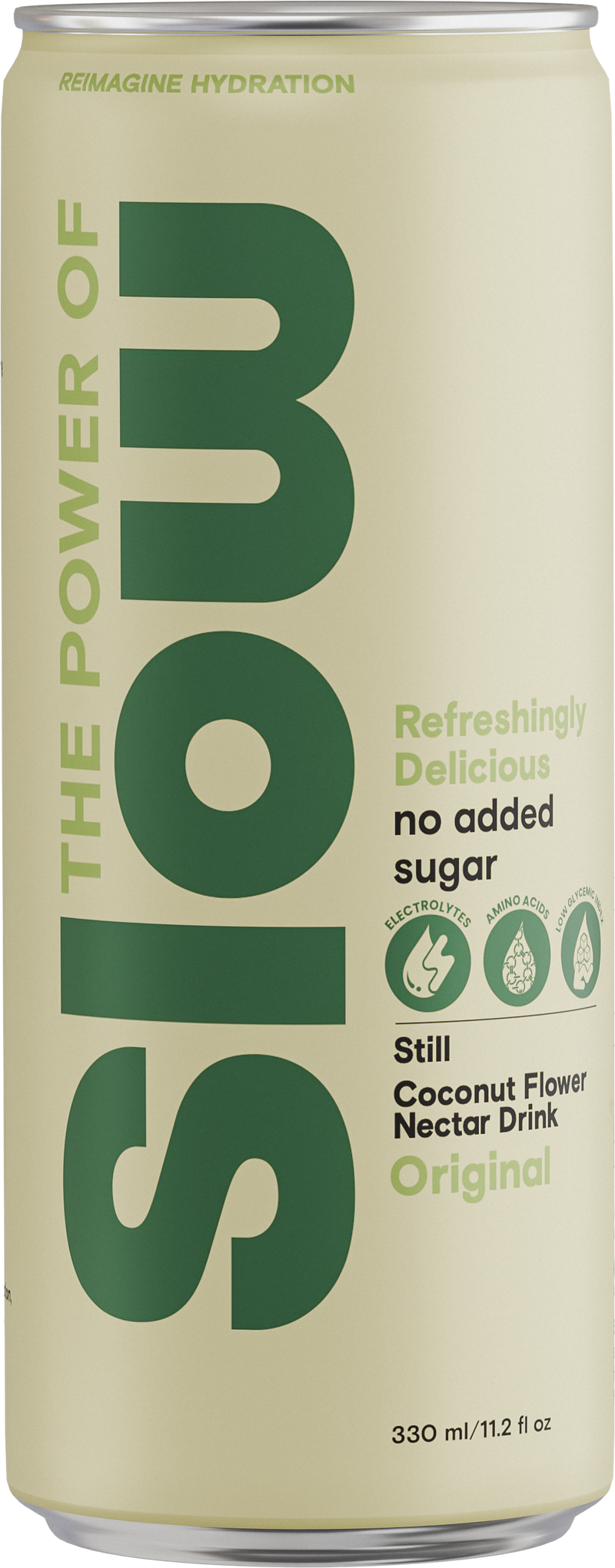
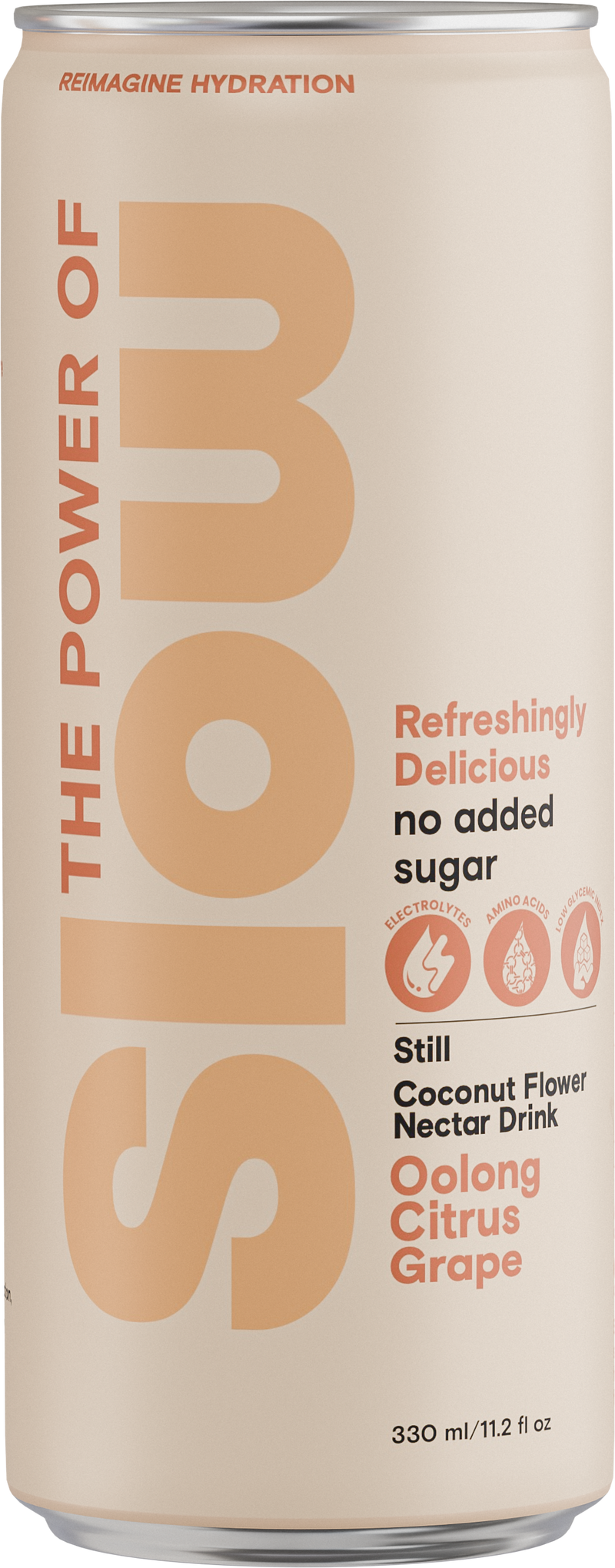
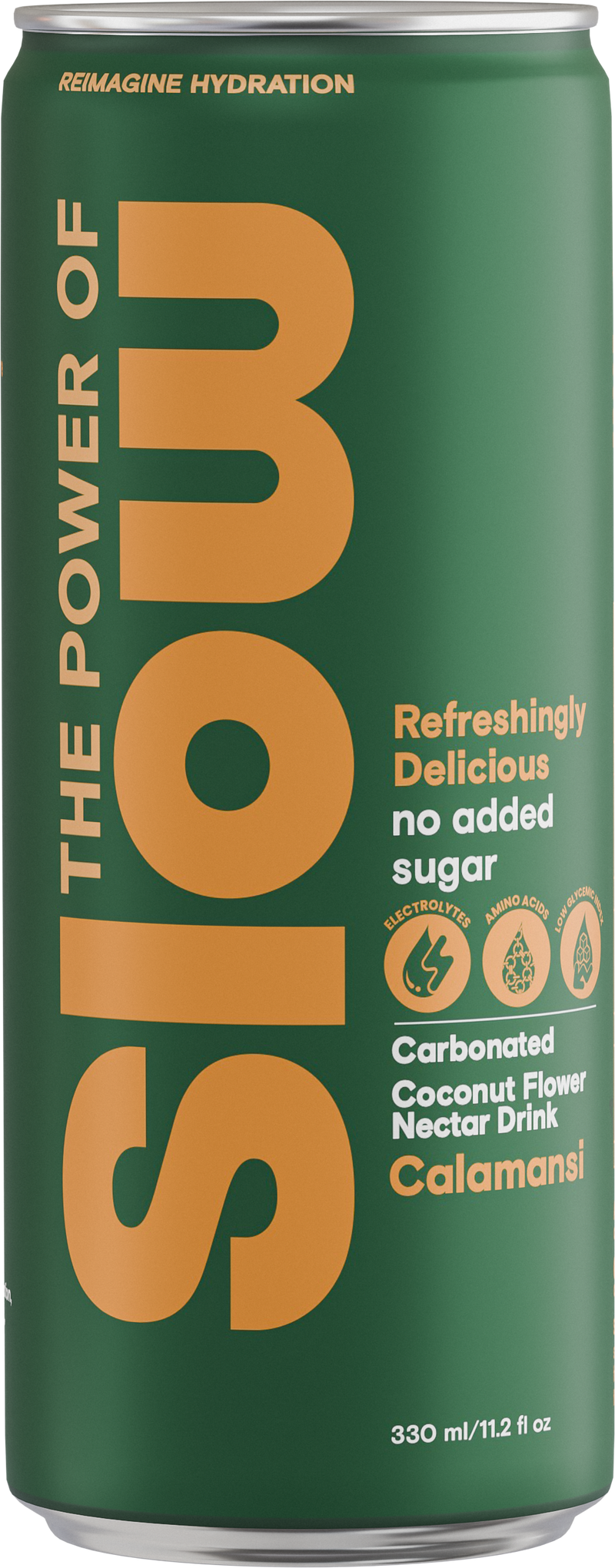
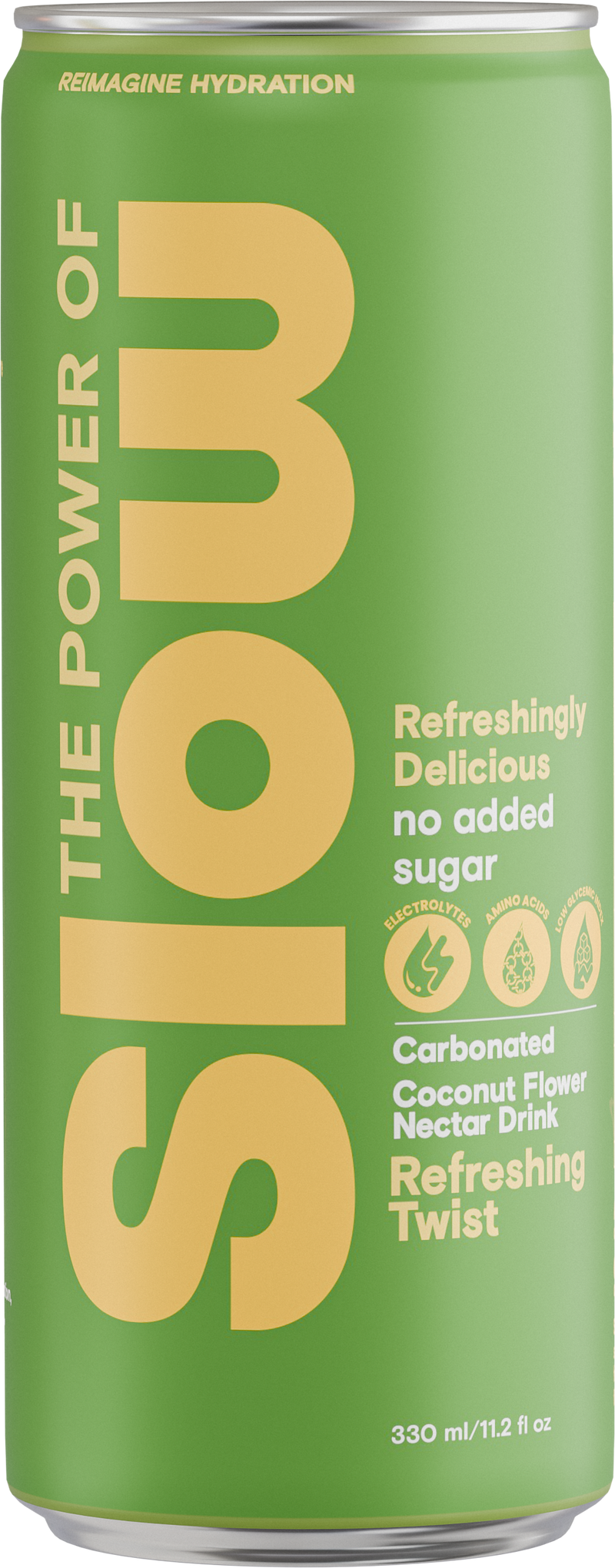
Coconut nectar keeps showing up in conversations about better sweeteners. You see it on labels. You hear it mentioned in wellness circles. It sounds promising. Natural. Thoughtful. Way different from the usual white sugar scoop.
Still, most people don’t actually know what it is or how it’s made. And that’s where the myths begin. Many people assume it comes from the coconut fruit. Others believe harvesting it damages the tree. Some think it’s highly processed.
Most of that isn’t true.
Let’s walk through the facts.
Myth #1: Coconut Nectar Comes From the Coconut
It doesn’t.
Coconut nectar or some may call it the ‘sap’, comes from the flower of the coconut palm. Not the fruit.
Before coco-nuts even exist, its palms will produce the blossoms first. That’s what our farmers ‘tap’ (like a gentle slice) to collect the extract (nectar) that flows from them.
But the fruit, aka coconut, always remains untouched.
That’s usually the first surprise.
Myth #2: Tapping the Palm Stops It From Producing Coconuts
You might guess that since the flowers are getting “sliced” in order to get the nectar, it stops the palm's production of coconuts.
But, it doesn't.
A coconut palm produces many flower stalks at the same time.
Farmers choose which ones to tap and which ones to leave alone. The untouched stalks grow into coconuts.
So the tree continues producing fruit.
Nectar and coconuts can come from the same tree. It isn’t either-or.
Myth #3: Tapping Reduces Coconut Yields
This sounds logical at first. But in practice, skilled farmers (like ours) manage each palm carefully.
Sustainable tapping follows a rotation system. Farmers monitor the health of coconut palms closely. They don’t really strip everything at once.
Some growers even report stronger productivity over time because energy gets redistributed within the tree.
Myth #4: Coconut Nectar Is Just Another Sweetener
Yes, coconut nectar is sweet, but it’s not the same as refined sugar.
Coconut nectar contains amino acids and minerals like potassium and magnesium. It also has a lower glycemic index compared to refined sugar, which means it doesn’t spike blood sugar the same way. It tastes rich, and slightly caramel-like.
This difference is why many people switch.
Myth #5: Harvesting Coconut Nectar Harms the Palm
Myth #5: Harvesting Coconut Nectar Harms the Tree
When done properly, it doesn’t.
Farmers don’t drill into the trunk. They don’t damage the root system. They tap the flower stalk.
So that the palms keep on growing and producing.
The Food and Agriculture Organization has even recognized coconut nectar production as one of the most sustainable sweetener systems globally.
Myth #6: Coconut Nectar Is Highly Processed
The processing is actually simple.
Coconut nectar follows a much simpler path. Farmers collect it fresh from the flower. From there, it is minimally processed, and turned into your favorite healthy beverage.
What you taste stays close to what the palm produced.
production as one of the most sustainable sweetener systems globally.
Conclusion
After walking through these myths, it’s clear that coconut nectar isn’t a mysterious ingredient or a risky experiment.
It comes straight from the flowers of carefully tended palms, harvested with care, and processed as gently as nature intended.
It’s gentle on blood sugar, good for the planet, and kind to the people who make it.
Choosing coconut nectar means enjoying a sweet, mindful sip that feels as good as it tastes.